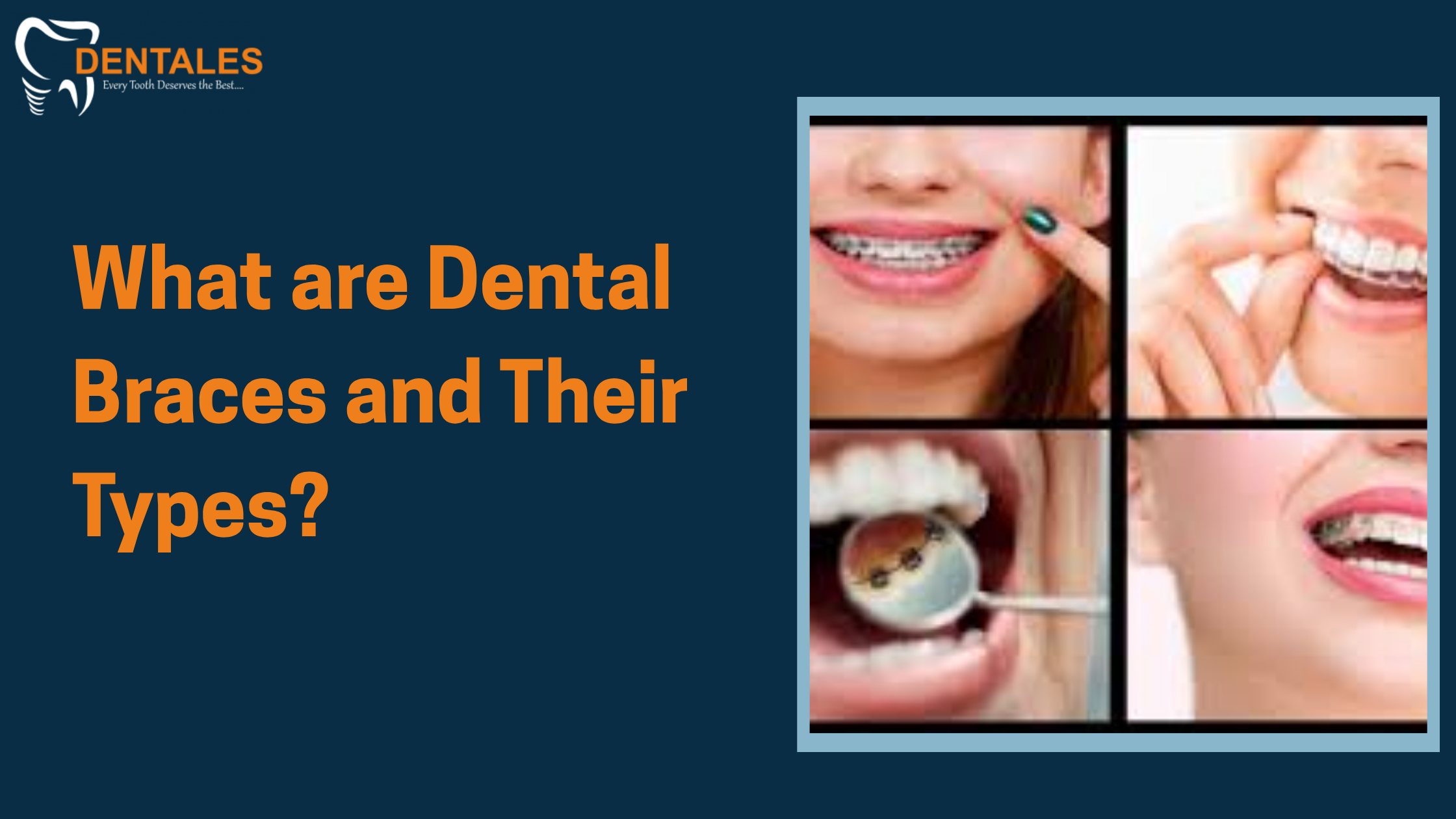
.png)
Choosing the right solution for teeth alignment can be overwhelming with today's advanced orthodontic options. Common treatments include clear aligners and traditional braces for the upper teeth.
Both are designed to correct malalignment, but they differ significantly in appearance, comfort, cost, and maintenance. If you're wondering which one suits your lifestyle and dental needs better, here's a comprehensive comparison to help you make an informed decision.
Understanding Teeth Alignment and Its Importance
Proper teeth alignment isn't just about a confident smile—it plays a critical role in oral health. Misaligned teeth can lead to difficulties in chewing, uneven wear, jaw pain, and even speech problems. Whether you opt for clear aligner braces or metal braces, the goal remains the same: long-term dental wellness through effective teeth alignment treatment.
What Are Traditional Braces?
Traditional braces are composed of metal brackets affixed to each tooth, connected with wires and elastic bands. These braces exert continuous pressure to gradually shift teeth into their proper alignment. Metal braces are commonly used and are particularly effective for correcting severe alignment and bite issues.
Benefits:- Highly effective for addressing complex malalignments
- Suitable for children, teenagers, and adults
- Provides continuous, hands-free treatment
- They can be easily noticeable, particularly on the upper teeth
- They may cause initial discomfort or irritation
- Regular orthodontic visits for adjustments
- Dietary restrictions (avoiding hard/sticky foods)
What Are Clear Aligners?
Clear aligner braces, also known as invisible braces, are transparent, removable trays custom-designed to fit over your teeth. They exert gentle pressure to move teeth gradually over time. Aligners are replaced every 1–2 weeks with the next set in the series as your teeth shift.
Benefits:- Virtually invisible—ideal for adults and working professionals
- Removable for eating, brushing, and flossing
- No dietary restrictions
- Greater comfort with smooth edges
- Fewer clinic visits required
- May not be suitable for severe cases
- Requires discipline—must be worn 20–22 hours daily
- Can be misplaced if not stored properly
Key Differences: Clear Aligners vs. Traditional Braces
| Feature | Clear Aligners | Traditional Braces |
|---|---|---|
| Appearance | Nearly invisible | Noticeable metal brackets |
| Comfort | Smooth, minimal irritation | Can cause mouth sores initially |
| Maintenance | Removable, easier to clean | Requires careful brushing/flossing |
| Diet Restrictions | None | Must avoid sticky/hard foods |
| Clinic Visits | Less frequent | More frequent adjustments |
| Effectiveness | Best for mild/moderate cases | Ideal for complex issues |
| Compliance Required | High (patient discipline) | Low (fixed appliance) |
When to Choose Traditional Braces
Suppose you have severe crowding, rotated teeth, or complex bite issues (such as underbites, overbites, or crossbites); upper teeth braces may be a better option. These braces provide orthodontists with greater control and are typically more affordable than aligners. Younger patients who may struggle with wearing and managing removable trays also benefit from fixed metal braces.
When to Choose Clear Aligners
For adults or teens concerned about aesthetics, clear aligner braces provide a discreet and comfortable solution. They're perfect for professionals or those with active social lives. Aligners also suit patients with mild to moderate alignment issues looking for a more flexible and less invasive teeth alignment treatment option.
Cost Comparison
The price of clear aligners or invisible braces depends on case severity and the brand used. While generally more expensive than metal braces, many find the benefits and convenience worth the investment. Traditional braces are usually more affordable; however, they often require a longer treatment time.
Lifestyle Impact
Clear aligners are a better match for individuals seeking low-profile treatment without lifestyle disruptions. You can continue enjoying your favourite foods, maintain oral hygiene easily, and attend fewer dental appointments. Traditional braces, on the other hand, require more diligence in cleaning and regular visits to the orthodontist.
Expert Recommendation
The decision between clear aligners and traditional braces should always be made after a thorough evaluation by an experienced orthodontist. At Dentales Clinic, we offer customized treatment plans to help you achieve the best results with the most suitable method. Whether you choose invisible aligners or traditional braces for your upper teeth, our team ensures expert care from start to finish.
Let Experts Guide Your Teeth Alignment Journey
Both clear aligners and traditional braces are practical tools for teeth alignment, and each has its pros and cons. If you prioritize aesthetics, flexibility, and comfort, clear aligners may be the right choice. For complex alignment needs or if you're looking for a budget-friendly and proven option, traditional braces are your best bet.
Let the experts at Dentales Clinic guide your teeth alignment treatment journey. With personalized consultations and advanced orthodontic solutions, we help you smile with confidence.
.png)
.png)