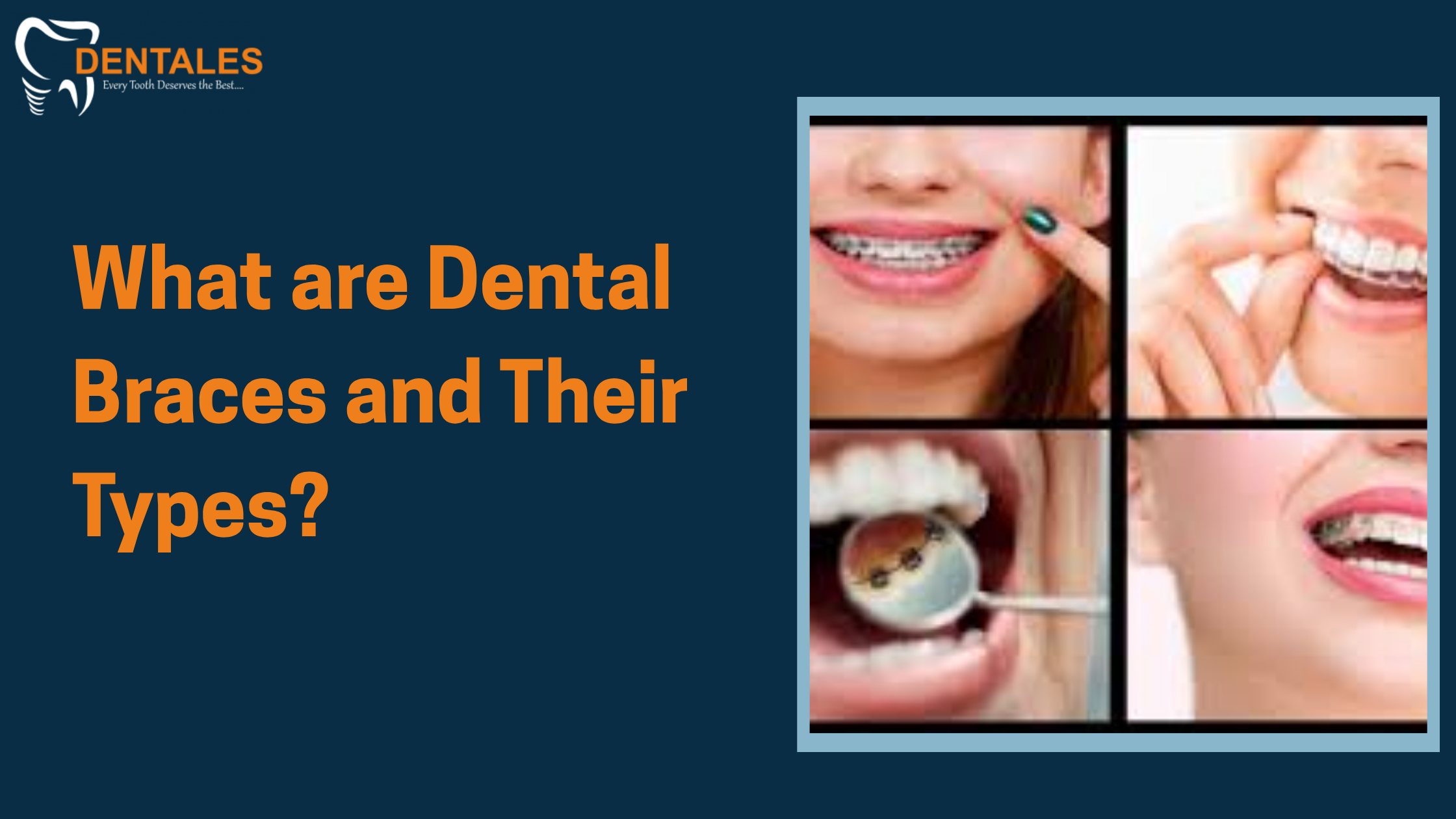
A beautiful smile is more than just straight teeth; it reflects confidence, health, and personality. For many people, misaligned or crooked teeth can affect not just their appearance but also their oral health and self-esteem. That's where dental braces come in.
Whether you're dealing with crowded teeth, spacing issues, or bite problems, braces are a reliable and effective treatment. Modern braces are now more comfortable, discreet, and effective than ever.
In this guide, we will explore what dental braces are, why people need them, and the various types available to suit different needs and preferences.
What Are Dental Braces?
Dental braces are amazing orthodontic tools that not only straighten your teeth but also fix bite issues, improving both function and appearance! By applying gentle, consistent pressure, they help your teeth comfortably move into their perfect positions over time.
Braces aren't just for teens—they're equally effective for adults looking to enhance their smile or correct long-standing dental issues.
Common Reasons to Get Braces
- Crooked or overlapping teeth
- Gaps or spacing between teeth
- Overbite, underbite, or crossbite
- Jaw misalignment or difficulty chewing
- Speech issues caused by misaligned teeth
Different Types of Dental Braces
Dental technology has advanced significantly. You no longer have to settle for one fixed solution. Today, patients can choose from various types of braces, depending on their dental needs, lifestyle, and personal preferences.
1. Metal Braces (Traditional Braces)
Best for: Children, teenagers, and adults with complex alignment issues.
These are the most well-known and widely used types of braces. Brackets made of metal are affixed to the teeth and linked with wires that are adjusted over time to straighten the teeth.
Pros:- Highly effective for all kinds of orthodontic issues
- Usually the most budget-friendly option
- Treatment tends to be faster for severe cases
- Highly visible on the teeth
- It can cause some initial discomfort
2. Ceramic Braces
Best for: Teens and adults who prefer a less noticeable alternative to metal braces.
Ceramic braces use tooth-coloured or clear brackets to blend in with your natural teeth, offering a more aesthetic option while delivering the same results as metal braces.
Pros:- Less visible than traditional metal braces
- Effective for moderate to severe issues
- Slightly more fragile than metal brackets
- Can stain if not cleaned properly
3. Lingual Braces
Best for: People looking for a completely discreet solution.
Lingual braces are positioned on the back of the teeth, making them invisible from the front. They work like traditional braces but are custom-made for the inside of your teeth.
Pros:- Completely hidden from view
- Custom-fit for precision
- Can affect speech in the beginning
- More difficult to clean and maintain
- Usually more expensive
4. Clear Aligners (Invisible Braces)
Best for: Adults or teens with mild to moderate alignment issues.
Clear aligners, such as Invisalign, are transparent trays that can be removed. They fit snugly over your teeth and are a popular choice for individuals seeking a comfortable and discreet option.
Pros:- Nearly invisible
- Removable for eating and brushing
- No metal or wires
- Requires discipline to wear 20–22 hours a day
- Not ideal for severe misalignment
- Typically more expensive
What to Consider Before Choosing Braces
- Complexity of your dental issue: Some conditions may require more robust options, such as metal or ceramic braces.
- Your age and lifestyle: Adults and working professionals often prefer less noticeable options, such as clear aligners or lingual braces.
- Budget: Metal braces are generally the most affordable, while lingual and clear aligners tend to cost more.
- Maintenance: Each type requires a different level of care and hygiene, which is something to consider based on your routine.
Life with Braces: What to Expect
Getting braces is a commitment. Here's what a typical journey looks like:
- Initial discomfort: Especially after adjustments or when switching trays
- Diet changes: Avoid sticky, crunchy, and hard foods.
- Oral hygiene: Brushing and flossing have become more critical than ever
- Routine checkups: Regular visits help track progress and make adjustments
The treatment usually takes between 12 to 24 months, or even longer in some cases, but the final result is a confident and healthy smile that makes it all worthwhile.
Ready to Begin Your Smile Journey?
Braces are a valuable long-term investment in your appearance and oral health. Regardless of the type you choose, the key is finding the right dental professional who can guide you through the process with care, comfort, and precision.
At Dentales, we offer a wide range of orthodontic treatments designed to match your needs. Whether you're considering metal braces, clear aligners, ceramic braces, or full smile rehabilitation, our experienced team will walk you through the options and ensure a comfortable treatment journey.
Our lead dentist, Dr. Radhika Malik Kukreja, brings years of expertise and has handled everything from complex root canal cases to cosmetic smile design. Dentales has become a trusted name for dental care in South Delhi.
Every smile is unique, just like your treatment plan should be. Please schedule a consultation today, and let us assist you in achieving the smile you deserve.
.png)
.png)
.png)

